2024
AI Categorization in DataFeedWatch web app

About the project
I was brought into the project with a clear goal: “If we add AI features before our competitors, we’ll have an edge.”
My task was to figure out how to integrate three new features into the existing product. But as usual, design involved more than just mapping flows and creating visuals. In this case study, I’ll walk through how I designed one of those AI-powered features.
My approach
The company believed AI would solve user problems but had no evidence.
If I didn’t act quickly, we risked building something without clear use cases or proven value for users.
Duration
4-5 months
Type
SaaS B2B web app
MY IMPACT
Product Discovery
Process Planning
UI Design
Workshopping
UX Architecture
Collaborators
2 product teams, UX Researcher, UX Writer and a few levels of management
Having something to show quickly was key
In a perfect world, I’d start with research, move through ideation, and then begin design. But in this case, I had good reasons to take a different approach.

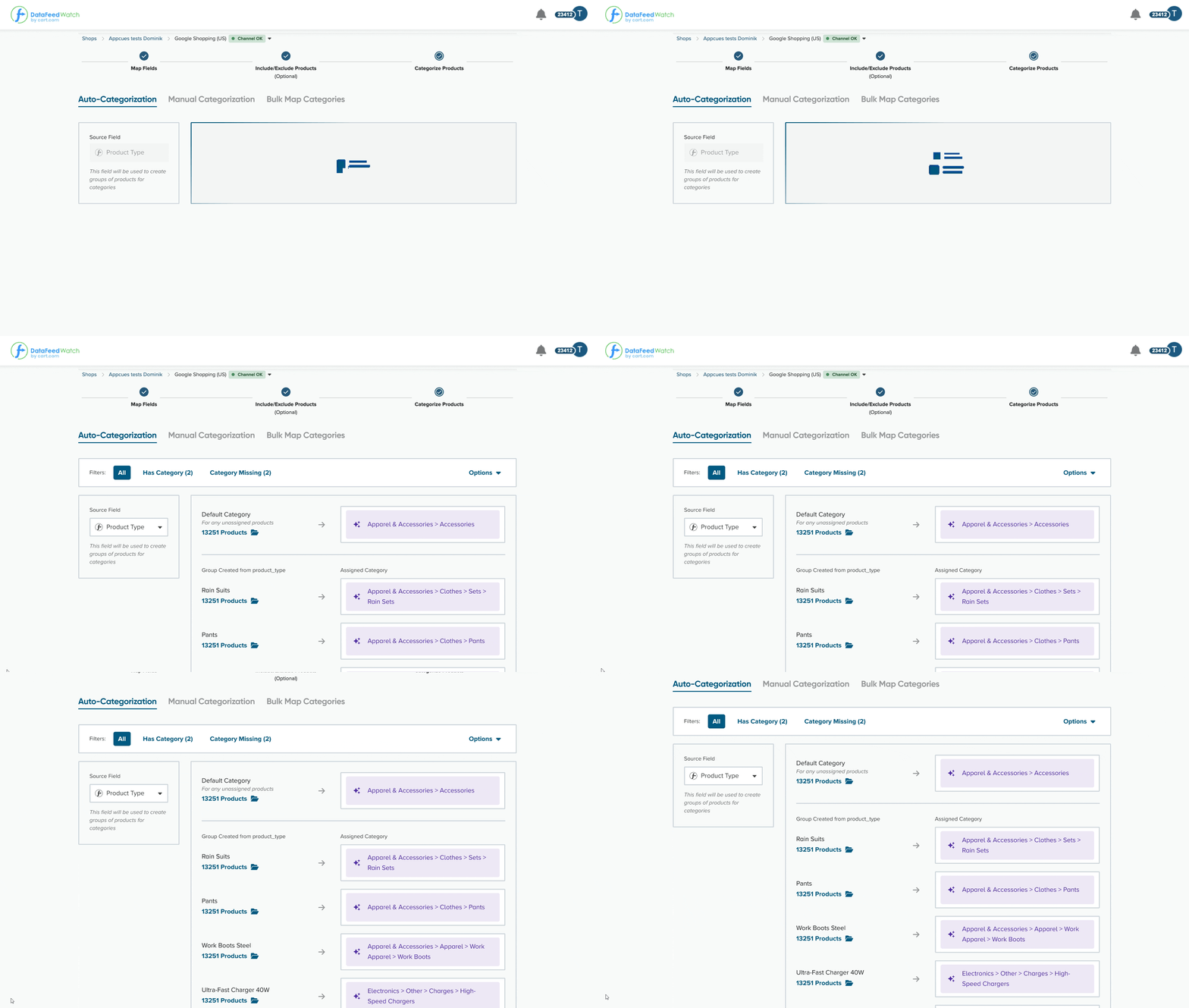
Working with high-fidelity wireframes helped me show the team that the AI features weren’t ready for monetization. Adding paid plans at this stage would complicate onboarding rather than support it. This saved us from a certain failure of the project.
aha!
Collecting data from 10 user interviews, and meetings with people from the sales team allowed me to present a list of user’s goals and potential issues we need to face.
1
Many users don’t understand the impact of product categorization.
If they don’t categorize their products, they won’t need and appreciate AI. Why don’t we help them optimize their work?
2
Users don’t trust AI to handle all of their data without validating the outcome.
This discovery allowed me to sway management into investing in a feature that previews AI content before the user sends it out.
3
There are so many different use cases of
AI-Categorization and our solution covers only a small fraction of them
This was a bucket of cold water for the management believing AI is a magical solution for everything. It helped them to transform the model for this feature from paid to free.
4
AI-Categorization is an onboarding optimization project, not a feature.
This was the biggest discovery. It changed how I looked at the project from trying to build a feature, to creating a better onboarding for the user using AI features.
Using collected data, I mapped out the onboarding journey and highlighted user frustrations. The key moment was a video showing a real user struggling with our previous solution.
With clear evidence, management agreed that this screen needs radical improvement and was willing to invest more time into it.
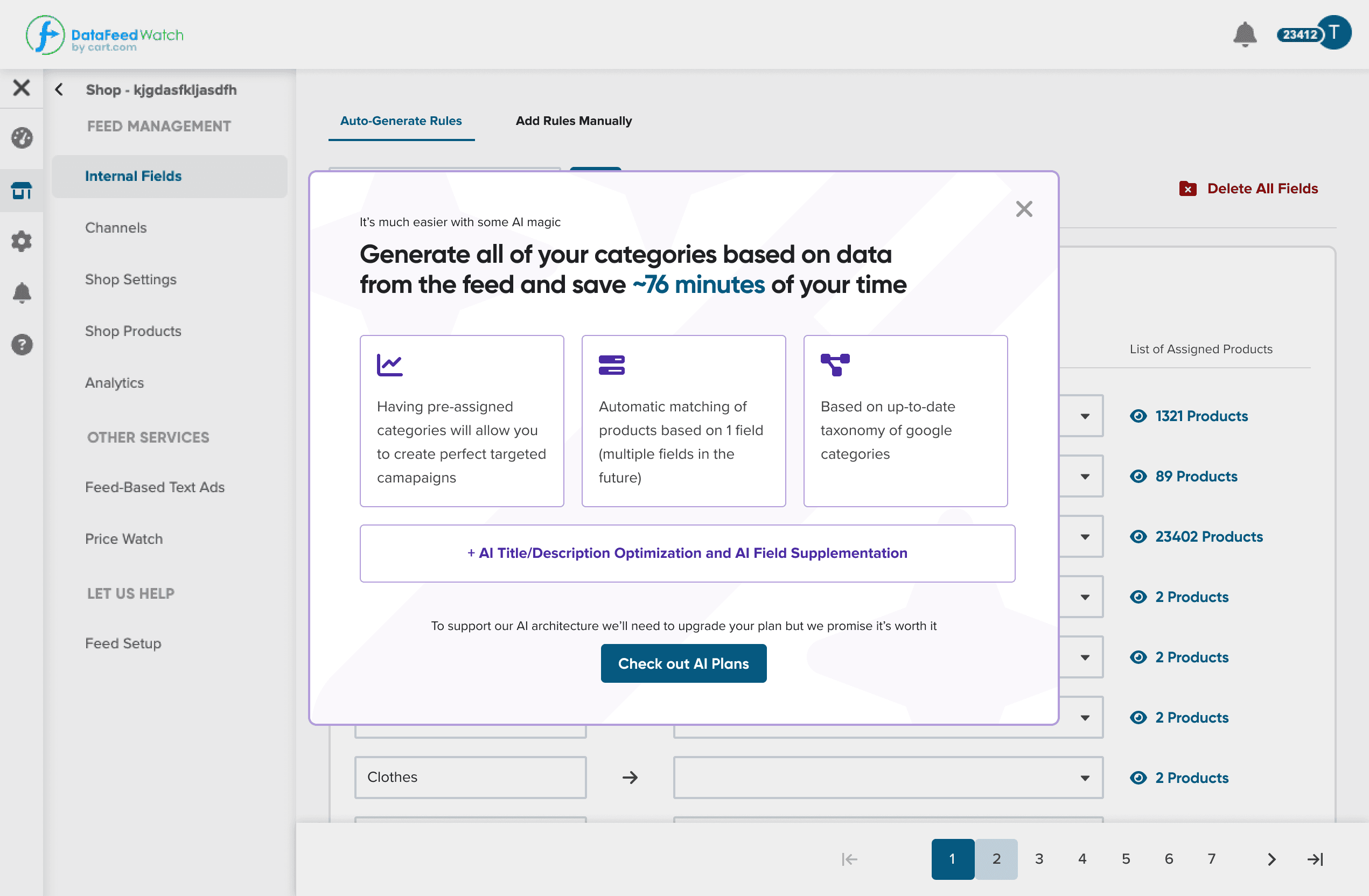
Would you trust an AI feature which looks like that?

This is what our categorization looked like before the changes. It was confusing, and users felt frustrated from the get-go. How can anyone feel like they’re using cutting-edge technology with a UI like that?
at last…